

Improving Sleep Quality for Shift Workers With the Easleep Brain-Machine
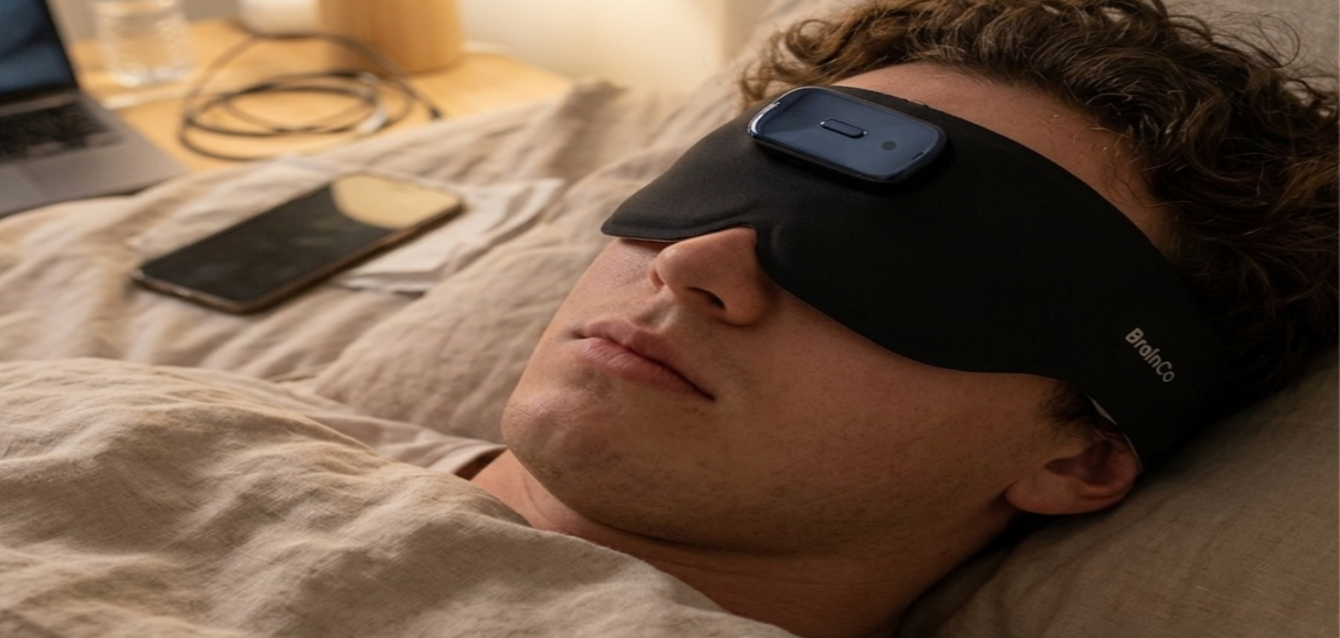
Client: A 24/7 operations team (healthcare & logistics staff)
Product Used: Easleep Brain-Machine
Challenge
Shift workers operating across rotating day and night schedules were experiencing chronic sleep disruption, fatigue, and reduced recovery.
Irregular working hours made it difficult to:
- Fall asleep consistently after shifts
- Achieve deep, restorative sleep
- Maintain energy and focus during working hours
Many workers relied on short-term solutions such as caffeine or sleep aids, which failed to address the underlying disruption to natural sleep cycles.
The organisation required a non-invasive, drug-free solution that could actively support sleep quality — not just monitor it.
Solution
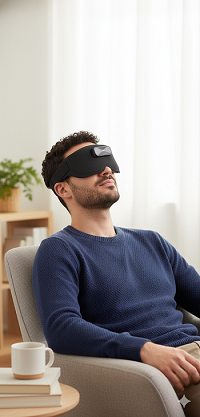
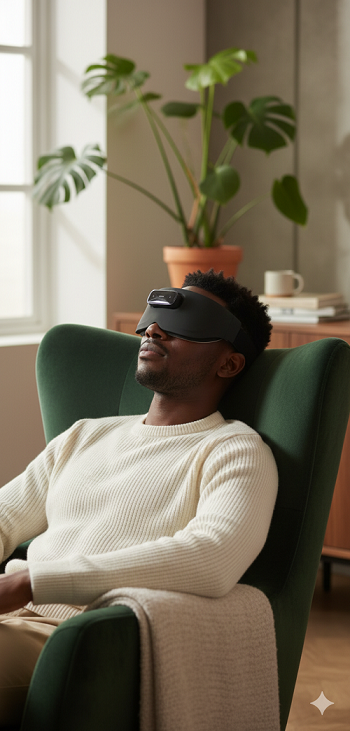
The Easleep Brain-Machine was introduced as a brain-responsive sleep system, designed to help shift workers adapt to irregular sleep schedules.
Using EEG sensors and closed-loop CES (cranial electrotherapy stimulation), the device:
- Monitored brainwave activity across sleep stages
- Identified when users were struggling to enter or maintain sleep
- Delivered gentle, real-time stimulation to guide the brain toward deeper sleep states
Workers used the device alongside the Easleep app, which provided:
- Personalised sleep programs tailored to rotating shifts
- Adaptive audio and sleep-inducing soundscapes
- Detailed sleep analysis and recovery insights over time
Unlike traditional sleep tools, Easleep created a closed-loop system — continuously adjusting based on real-time brain activity rather than relying on fixed routines.
