
The Connection Between Sleep, Focus and Mental Wellbeing
Sleep, focus and mental wellbeing are closely connected. When you get enough quality sleep, it can be easier to concentrate, manage everyday challenges and maintain a balanced mood. On the other hand, poor sleep can leave you feeling tired, distracted and less prepared to handle daily responsibilities.
Understanding how these areas influence one another can help you build healthier routines and support your overall wellbeing.
How Does Sleep Affect Mental Wellbeing?
Sleep plays an important role in emotional regulation, memory and the brain’s ability to recover from daily demands. During sleep, the brain processes information and supports functions that help you manage emotions and respond to everyday situations.
When sleep is regularly disrupted or insufficient, you may experience increased irritability, low energy and difficulty managing stress. Over time, ongoing sleep difficulties can also be associated with a higher risk of mental health concerns.
Prioritising a consistent sleep routine is one practical way to support your mental wellbeing.
Why Is It Harder to Focus After Poor Sleep?
Have you ever struggled to concentrate after a restless night? Sleep helps support attention, learning, decision-making and problem-solving.
When you don’t get enough restorative sleep, you may notice:
- Difficulty concentrating on tasks
- Slower reactions and decision-making
- Forgetfulness and reduced mental clarity
- Increased distractibility
- Lower motivation and productivity
These effects can make everyday activities feel more demanding. Although a single poor night does not necessarily cause lasting problems, repeated sleep disruption can make it harder to maintain focus throughout the day.
The Sleep, Focus and Mood Cycle
Sleep, focus and mental wellbeing can influence one another in several ways.
For example, poor sleep may make you feel less focused during the day. Difficulty concentrating can contribute to frustration or stress, while stress and persistent worry may make it harder to fall asleep at night.
This can create a cycle that becomes difficult to break.
The good news is that small, consistent changes can help support healthier patterns. Improving your sleep habits, managing daily stress and creating opportunities for uninterrupted focus can all contribute to better overall wellbeing.
Practical Ways to Support Better Sleep and Focus
You don’t need to change your entire lifestyle overnight. Start with manageable habits that fit into your daily routine.
1. Maintain a Consistent Sleep Schedule
Try going to bed and waking up at similar times each day, including on weekends. A consistent schedule can help support your body’s natural sleep-wake rhythm.
2. Create a Relaxing Bedtime Routine
Reduce stimulating activities before bed and choose calming alternatives, such as reading, gentle stretching or listening to relaxing audio.
3. Limit Digital Distractions
Frequent notifications and late-night scrolling can interfere with relaxation and make it harder to maintain a healthy routine. Set boundaries around device use, particularly before bedtime.
4. Take Regular Breaks During the Day
Short breaks between demanding tasks can help you reset your attention. Combine these breaks with movement, fresh air or a few minutes of quiet time when possible.
5. Make Time for Physical Activity
Regular physical activity can support sleep quality, mood and general wellbeing. Choose activities you enjoy and aim for consistency rather than perfection.
6. Pay Attention to Your Patterns
Notice how your sleep habits relate to your energy, concentration and mood. Keeping a simple sleep diary can help you identify patterns and make informed adjustments to your routine.
Can Technology Help You Understand Your Sleep and Focus?
Wearable technology is creating new ways to explore sleep and attention. Depending on the device, sensors can provide information about movement, heart activity or brain activity, helping users observe certain patterns over time.
EEG (electroencephalography) technology measures electrical activity in the brain. EEG-based wearables can offer insights into brain activity and, depending on their design, support focus training or provide sleep-related information.
However, consumer wearables have limitations. Their readings should be treated as informational rather than a diagnosis, and they do not replace professional assessment when sleep or mental wellbeing concerns persist.
Explore EEG Wearables with Neuro AI
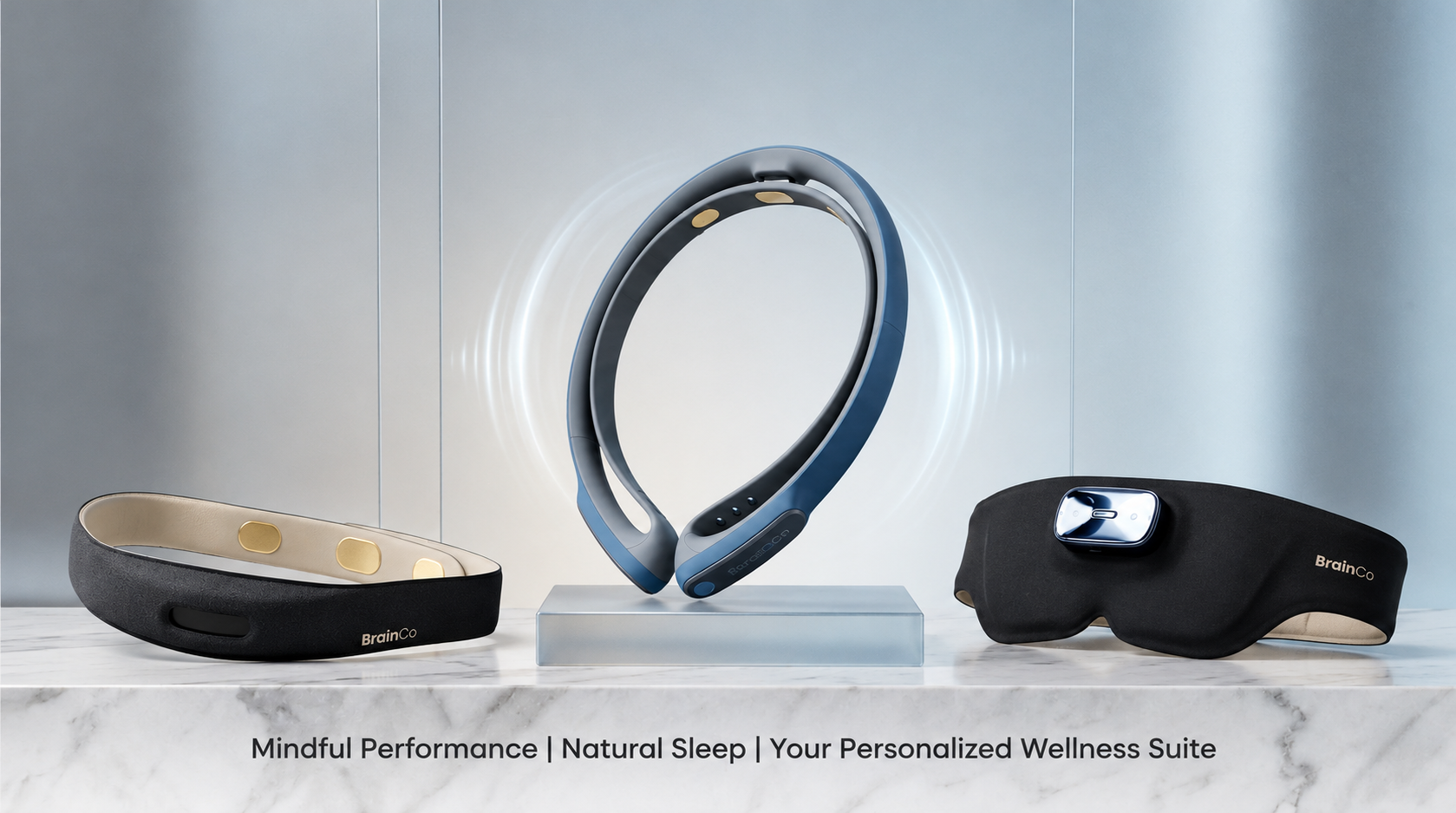
Sleep, focus and mental wellbeing are closely connected, and small, consistent lifestyle changes can make a meaningful difference to your daily routine. Whether you want to build a healthier sleep routine, improve your focus or develop a more mindful meditation practice, Neuro AI offers a range of EEG-powered wearables designed to support different wellness goals. The range includes Easleep Brain-Machine for sleep support, FocusCalm EEG Headband for focus training through neurofeedback, and OxyZen Smart Headband for meditation and relaxation insights.
Disclaimer: Consumer wearables are intended to provide wellness insights and should not replace professional advice or treatment when needed.
