
Can Mindfulness Improve Focus and Emotional Wellbeing?
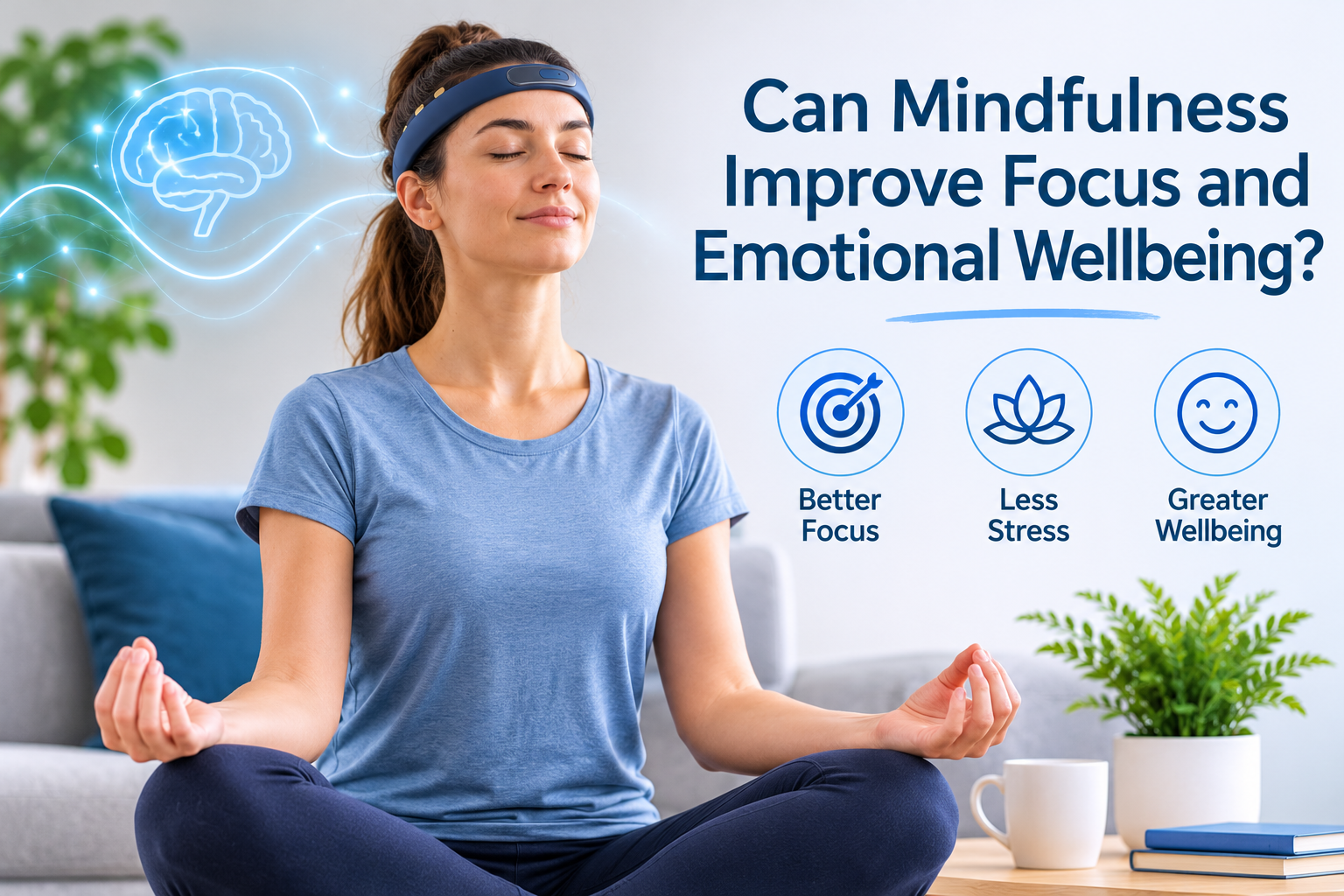
In a world filled with constant notifications, busy schedules and everyday responsibilities, finding moments of calm can be challenging. Our attention is often pulled in different directions, making it harder to concentrate, manage stress and stay connected with the present moment.
Mindfulness offers a simple way to become more aware of your thoughts, feelings and surroundings. By practising mindfulness regularly, you can develop healthier habits that support concentration, emotional awareness and overall wellbeing.
But can mindfulness really improve focus and emotional wellbeing? Let’s explore how it works and how you can make it part of your daily routine.
What Is Mindfulness?
Mindfulness is the practice of paying attention to the present moment without immediately judging or reacting to your thoughts and feelings.
It encourages you to notice what is happening around you and within you, rather than constantly thinking about past events or worrying about what comes next.
Mindfulness doesn’t require special equipment or hours of meditation. It can be practised through simple activities such as mindful breathing, walking, eating or taking a few quiet moments during a busy day.
The aim is to become more aware of your experiences and develop a more intentional approach to everyday life.
How Can Mindfulness Improve Focus?
Concentration requires the ability to direct your attention towards a particular task while managing competing thoughts and distractions.
Mindfulness exercises encourage you to notice when your attention wanders and gently bring it back to the present moment. With regular practice, this can help you become more aware of your attention patterns.
Some potential benefits include:
- Better attention awareness: Recognising when your mind starts to wander.
- Reduced distractions: Becoming more intentional about where you direct your attention.
- Improved task engagement: Practising the ability to stay present during everyday activities.
- Greater mental clarity: Creating opportunities to pause and organise your thoughts.
For example, if you’re working on an important task and find yourself thinking about unrelated things, mindfulness encourages you to recognise the distraction and return your attention to what you’re doing.
The Connection Between Mindfulness and Emotional Wellbeing
Emotional wellbeing involves understanding your emotions and developing healthy ways to respond to everyday challenges.
Mindfulness can support this by encouraging you to observe your emotions rather than immediately reacting to them.
When you become more aware of your thoughts and feelings, you may find it easier to recognise emotional patterns and respond more thoughtfully.
Regular mindfulness practice may help support:
- Stress awareness: Recognising situations that contribute to stress.
- Emotional regulation: Developing more thoughtful responses to difficult feelings.
- Self-awareness: Understanding your thoughts, reactions and behaviour.
- Relaxation: Making time to slow down and step away from daily pressures.
- Everyday balance: Creating healthier habits around work, rest and personal time.
Mindfulness is not about eliminating negative emotions. It is about developing a healthier relationship with them.
5 Simple Mindfulness Exercises to Try Every Day
You don’t need to make major changes to your lifestyle to begin practising mindfulness. Start with a few simple exercises and gradually build a routine that works for you.
1. Practise Mindful Breathing
Find a comfortable position and bring your attention to your breathing. Notice each inhale and exhale without trying to change your natural breathing pattern.
If your thoughts wander, gently return your attention to your breath. Start with two to five minutes and gradually increase the time if comfortable.
2. Try a Short Meditation Session
Set aside a few minutes each day for meditation. Find a quiet place, sit comfortably and focus on your breathing or a guided meditation.
A consistent routine can help you create dedicated time for relaxation and self-awareness.
3. Take a Mindful Walk
Instead of listening to music or checking your phone while walking, pay attention to your surroundings. Notice the sounds, movement, fresh air and sensations as you walk.
This can be a simple way to take a break from digital distractions.
4. Practise Single-Tasking
Choose one activity and give it your full attention. Whether you’re reading, preparing a meal or completing a work task, try to avoid switching between activities unnecessarily.
This encourages greater awareness of how you use your attention.
5. Check In With Your Emotions
Take a few moments during the day to ask yourself how you’re feeling. Notice whether you’re relaxed, frustrated, distracted or overwhelmed.
Acknowledging your emotions without immediately judging them can help you better understand your responses to everyday situations.
Can Technology Support Mindfulness and Focus?
While mindfulness is often associated with quiet environments and traditional meditation, technology is creating additional ways to explore attention and relaxation.
EEG (electroencephalography) technology measures electrical activity in the brain. Some wearable EEG devices use this information to provide feedback about brain activity and support technology-assisted meditation or focus activities.
Neurofeedback is one approach that uses feedback from brain activity to help users practise certain mental states through interactive exercises.
Disclaimer: These tools can offer another way to engage with mindfulness and become more aware of your focus patterns. However, consumer wearable feedback is intended for personal wellness insights and should not be treated as a medical assessment or a guaranteed outcome.
