
Why Am I Always Tired Even After 8 Hours of Sleep?
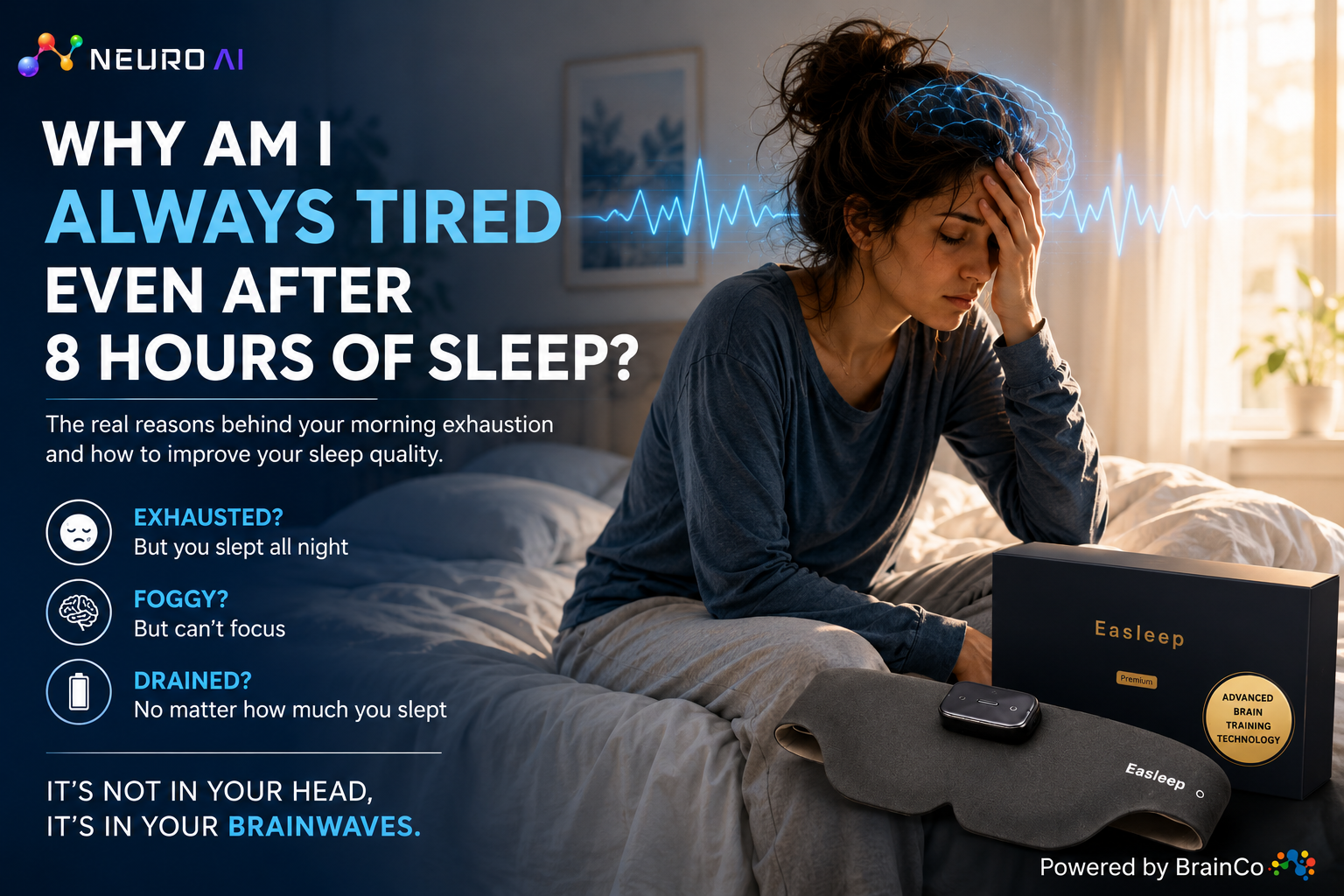
You Slept All Night—So Why Are You Still Tired?
Many people assume that getting eight hours of sleep is enough to wake up feeling refreshed. However, if you regularly wake up feeling tired, sluggish or mentally drained, you’re not alone.
The truth is, sleep duration doesn’t always equal sleep quality. While you may be spending enough time in bed, your brain and body may not be getting the restorative sleep they need to recover properly.
Understanding the factors that affect sleep quality is the first step towards improving your overall wellbeing.
“Getting eight hours of sleep doesn’t always mean you’re getting the quality rest your brain and body need.”
Sleep Quality vs Sleep Quantity
Sleeping for eight hours is important, but quality matters just as much as quantity.
Interrupted sleep, stress, an inconsistent sleep schedule or environmental factors can reduce the amount of restorative sleep you experience, leaving you feeling tired the next day.
Your brain moves through different sleep stages each night, each playing an important role in physical recovery, memory and mental wellbeing.
Common Reasons You Wake Up Feeling Tired
Poor Sleep Quality
Even if you don’t fully wake up during the night, frequent interruptions can prevent your brain from reaching deeper stages of sleep.
Stress and an Overactive Mind
Daily stress can make it difficult for your brain to fully relax before bedtime. Racing thoughts or ongoing worry may affect how restorative your sleep feels.
Irregular Sleep Schedule
Going to bed and waking up at different times each day can disrupt your body’s natural sleep-wake cycle.
Too Much Screen Time
Using phones, tablets or laptops before bed may make it harder to unwind, especially if it becomes part of your nightly routine.
Lifestyle Habits
Late-night caffeine, heavy meals, alcohol or insufficient physical activity can all influence how refreshed you feel the following morning.
Signs Your Sleep May Not Be Restorative
You may not be getting quality sleep if you regularly experience:
- Feeling tired soon after waking up
- Brain fog during the day
- Difficulty concentrating
- Low motivation
- Feeling sleepy in the afternoon
- Reduced productivity
- Irritability or low mood
Experiencing these signs occasionally is common, but if they persist, it’s worth reviewing your sleep habits and seeking professional advice if needed.
Simple Ways to Improve Your Sleep Quality
Small changes to your daily routine can make a meaningful difference over time.
Maintain a Consistent Sleep Schedule
Aim to go to bed and wake up at similar times each day, including weekends.
Create a Relaxing Bedtime Routine
Reading a book, practising mindfulness or listening to calming music can help prepare your mind for sleep.
Reduce Screen Time Before Bed
Consider limiting electronic devices for at least 30–60 minutes before bedtime to create a more relaxing evening routine.
Make Your Bedroom Sleep-Friendly
A cool, dark and quiet environment may help improve overall sleep comfort.
Stay Active During the Day
Regular physical activity supports overall health and may contribute to better sleep quality.
Understanding Your Brain During Sleep
Your brain remains active while you sleep, moving through different stages that support recovery, memory and overall wellbeing.
Modern EEG (Electroencephalography) technology has made it possible to gain greater insight into aspects of brain activity during sleep. While wearable EEG devices don’t replace professional medical assessments, they can help users better understand their sleep patterns as part of a personal wellness routine.
Supporting Better Sleep with Neuro AI
Better sleep starts with understanding your nightly routine and building healthier habits.
At Neuro AI, our BrainCo-powered EEG wearable devices are designed to help people gain greater awareness of their brain activity as part of their personal wellness journey.
If improving your sleep is your goal, Easleep is designed to provide insights into sleep-related brain activity, helping you better understand your nightly sleep patterns while supporting healthy sleep habits.
Consumer EEG wearables are intended for personal wellness and self-awareness and are not designed to diagnose or treat medical conditions.
